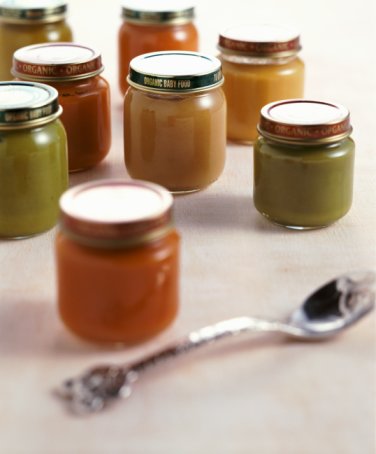
In other parts of the world, biosolids (human waste) from sewage treatment plants are treated and used as sustainable agriculture fertilizer. Research the pros and cons of this method and take a stand as to whether this can be a realistic alternative to our current agricultural practices. Who are the potential stakeholders in this issue? Are we influenced by the western view of human waste as an unsanitary and disgusting nuisance?
I have to admit that when I first read the question, I cringed. Soon after, I laughed and got serious knowing that it’s actually a really good idea. If you think otherwise, here are some pros and cons on using biosolids as agriculture fertilizers:
Pros: All natural, low cost, nutrient and mineral rich, always accessible, a source of irrigation, increases plant growth, fewer chemicals than store-bought fertilizers, re-use/ recycle.
Cons: Risk from pollution, looked down upon as dirty, contain pathogens and bacteria.
As you can tell from my extensive list of pros and not so many cons, I’m all for it. It’s all natural, low cost and it’s always around (if participants maintain a high fibre diet).
Too many chemicals are used in our everyday lives and especially in our food. Even before we drench out vegetables in dressing there were very many chemicals that it had s
oaked up before hand. Herbicides, pesticides and fertilizers are hazardous chemicals if ingested and yet, farmers spray them on the crops that we harvest food from. Human waste, has much fewer chemicals than any fertilizer found at the store or mixed my humans; it’s all natural, as natural as it gets.
As crops are grown and harvested every season they continue to strip vitamins and minerals from the soil that they are grown in. Rotating is one way to replenish the soil with these essential vitamins and minerals. It’s easier for the plant to create their own vitamins but as for minerals, well, that’s where fertilizers come in. It’s much better for the crop and the environment to attain there minerals the natural way, from mineral rich human waste! Why MAKE a solution to give back to mother nature when we can BE one? This is the life cycle! Give back to what allows us to thrive the greenest way possible.
We can learn a lesson from Russell, our favourite Wilderness Explorer from t
he movie, UP.
I know, I know; it’s weird. It’s embarrassing, it’s GROSS. Well, where do you think our ancestors went to the bathroom? Toilets weren’t invented until 1596. Before that, buckets of human waste were just thrown onto the streets. Which leads me to an extreme con:
THE BUBONIC PLAGUE?!
This is a quick rundown of the Bubonic Plague, basically, 14th century Europeans weren’t too keen on disposing their waste so they just threw buckets of them out the street during the time of expansion where buildings got higher and higher. Those who weren’t as rich stayed on the ground and even underground to where the waste would drain into. As their living conditions worsened so did their health. This lead to the Bubonic Plague which killed more than 25 million people, a third of the European population at the time.
This is not to say that using human waste as fertilizer will cause that, I’m just giving an example of the worst case scenario; which would be, a plague. We’ve obviously learned a lot since that time and our sanitation has changed dramatically. So much so, that we’ve seemed to have lost touch with nature. Our bodies were naturally made to give back to the environment and I think we should allow it.
We spread around cow, pig, horse, etc. manure everywhere, so why not our own? What’s the difference?
Obviously, we must first treat the humanure the right way. If mixed into a water supply, improperly composted or used raw, it can cause some serious damage (read: Bubonic plague). But if treated properly, it is just as effective as any other manure farmers use.
How it works:
Humans go to the bathroom the same way and flush the same way but instead of the waste going into the sewers, they go into an underground hole along with leaves, grass and kitchen waste. The temperature must be kept at at least 55 degrees Celsius.
After a few weeks you then have a lovely manure that can be used to fertilize your garden.
Uh oh?
This sort of idea doesn’t always go well with everyone. There are always those who disagree or complain about change. Those who are most influenced by deciding to use humanure would be farmers and fresh produce distributors. It’s one thing to say ORGANIC but it’s another to say HUMANURE GROWN: AS ORGANIC AS IT GETS. Some people won’t take it lightly that human “waste” is being used in their MEALS and FOOD. We were taught as children that our waste is dirty and to be properly disposed of, that mentality is not going to change over night. Making a big decision like using humanure on all crops at a farm will affect their sales and even credibility with some consumers.
I think that using humanure is a great green idea that should really be done. It would help a lot in the sanitation and waste disposal sector of cities and would improve farms everywhere. Although I’m all for humanure I have to admit that I’d rather not think about it when I buy or eat my food. I’m a need-to-know basis kind of person but I also love the environment. So, I wouldn’t mind as long as there’s no cute picture of poop with a smiley face on the package.
Assess how societal needs (i.e. the need for healthy foods; active lifestyles) lead to scientific and technological developments related to internal systems.
All over the world, the need for healthy foods and active lifestyles has lead to scientific and technological developments related to internal body systems.Soon enough, there will be more people over 60 years old than under 20. This shift in the demographics will become an increasing world-wide phenomenon as global life expectancy rises. Research on the certain nutritional needs of older generations will likely be a major demand for health-promoting foods for the older population. Such studies create th
e demand for technological developments that would be able to track physiological factors affecting adequate nutrition for older people, together with their attitudes, and the ability to deal with the issues of loss of sensory perception (taste, etc.) and social factors, like tiredness and loneliness, associated with aging that impact nutrition for older people.
Over the next 25 years or so there will be a significant change in the age demography of the world. Along with this shift comes a major societal challenge; to improve the quality of life and reduce disability and dependency in an increasingly ageing population. Age-adjusted incidence of major chronic diseases suggest strong environmental determinants, including the influence of diet. However, the active lifestyles led by today’s older generations have brought about higher demand for convenience foods. Healthy ageing men and women among all groups, but particularly in older people, may not be possible until the physiological factors and mechanisms of food choice and acceptance have been fully understood. This is where scientific and technological advancements come in. Researchers, using these developments study the sensory physiology, cognitive and social determinants of food choice, intake and enjoyment in different age groups and cultures. The information acquired will help to develop future full understanding of nutrition for the aged and improve the quality of the food and drink industry by informing the design of a new generation of health-promoting foods that complement the physiological condition of their digestive system.
A European research initiative has investigated the relationships between sensory physiology and food liking, using modern digital equipments, studied the degradation of sensory capability in the elderly and determined how this affects food liking and general well-being. This allowed insights into the attitudes and behavior of older people to food with regard to different socio-economic and lifestyle factors. The research was carried out in a concerted effort to re-assess the food sensory requirements of older consumers with the goal to provide direction for the production of tasty and acceptable new foods for them. This production will in turn necessitate the development and creation of leading-edge technological equipments to ensure the new-generation food products are produced at required quality standards.
A consumer’s response to the sensory properties of foods, namely the appearance, smell, taste, mouth feel and texture of the food, is among the most important factors determining sustained consumption of a particular product. However, as ageing progresses, people lose sensory abilities, resulting in a changed perception of food. This may lead to loss of eating pleasure and a reduced desire to eat in a healthy way. Diagnostic instrumentation have been developed to performs tests that measure the sensory properties of food such as odour, taste and ‘mouth-feel’ abilities and studies of sensory abilities in ageing, sensory memory, cross-modal sensory interactions, and large-scale cross cultural liking of meals were carried out. In addition, the influence of sensory properties and eating environments on repeated food intake has been studied. Finally, qualitative and quantitative surveys were conducted and attitudes and behavior with respect to food choice were investigated through laboratory tests and experimentations.
Stock exchange
The valuable results these tests generated would not have been possible had it not been for the advancement in science and they corresponding technological developments that enabled these tests to be done. Results of the tests showed a complex relationship between sensory abilities and food preferences, as loss in sensory abilities was not uniform in elderly people or the individual senses important for food choice. Diagnostics were able to show there is a compensation for specific losses to some senses, and the taking advantage of the abilities that are left of the other senses, are important to establish new references for products tailored for some older consumers with specific sensory losses: such as enhancement of some flavors and mouth-feel of foods. In addition, environmental factors, such as the eating situation and eating context, can also be used to
compensate for losses in sensory abilities.
The testing proved that for the elderly, the link between health and diet is not as obvious as it is for younger people. In addition, although many changes in eating habits that accompany ageing are due to the ageing process itself, other social and psychological factors are of major importance, including tiredness, widowhood and, most critically, loneliness. All these social factors cause older people to lose motivation in preparing and consuming meals. A variety of inter-country and demographic differences among the elderly were also found through advanced digital equipments, for example in responses to controlled food tastings, and specific dietary needs and barriers must be considered when developing strategies to promote health through diet.
Thanks to the scientific and technological developments related to internal body systems, the need for healthy foods and active lifestyles by every one, and most especially, the elderly, has been fully established. Tests that assess the digestive system can uncover problems like intestinal wall permeability, small bowel bacterial overgrowth, enzyme deficiencies, malabsorption, Candida yeast presence, poor immune function, parasite activity, specific intolerances, and bacterial infection. All these tests using the latest in diagnostic capabilities contribute to the promotion of a healthier and more active global population. So although the numbers may seem awkward, we can rest assured knowing that technology has got our back when it comes to health and nutrition.
Artificial selection has resulted in plants that are more disease-resistant, cows that produce more milk, and racehorses that run faster. One must wonder what will come next. In the blog entry answer the following question - under what circumstances should humans be artificially selecting plants or animals, if any?
Artificial Selection or the intentional choosing of individuals of a species for the purpose of reproduction of certain traits with the result that the desired characteristics will appear in subsequent generations is a current practice among various fields but probably more prevalent in the food industry.
Artificial Selection is used in creating perfectly bred dogs, incredibly large chicken, muscular cows, and determines the future of the species that are affected.
Intentional Artificial Selection is characterized by conscious design or purpose, but artificial selection can also occur accidentally.
From among who do this deliberately, a choice is made from a number of alternatives. But who are the people who practice artificial selection on purpose? Scientists? Ordinary people? Hobos off the street?
When you think about it, we all do. We all make that choice. The difference lies in the level of impact to the world around us, and that is dependent on the circumstances and species being dealt with.
Individuals of a species: The poor little (or big) subjects that are being manipulated! Why them!? What do humans get out of them?
Animals were made for humans to care for and use, as stated in the Bible. We are allowed to use then as we need to but we are also responsible for their lives and wellbeing. Over time, humans have taken advantage of animals like chickens, pigs, and cows, and other animals used for food, and pets like cats and dogs. Humans also stand by as species become extinct while they continue to modify and artificially select better versions of the animals that are still alive.
A certain trait or characteristic of a species is so unique or become so valuable that they simply MUST be replicated unto the future generations. To modify and alter the species population so that they all posses the desired trait and will add even more value to the species.
Example: Boneless? Skinless? Featherless?
Chickens without feathers are bred to be more energy efficient to grow and farm so you can grow even more chickens than before! This may benefit humans exponentially but is so unnatural to the chickens. It also leaves them more vulnerable to disease and sickness, plus the overt fact that it would get cold easily.
Example: This is SPARTA!
An example of artificial selection in humans would be in, you guessed it! SPARTANS! YEAH!
As you may have seen in the movie 300, (based on the true history of the Spartans in Greece,) all Spartan men are bred to be powerful warriors. This means that they need to be healthy with no trace of any deformities. If any abnormality is found in their physical appearance, they are thrown into the place of rejection: a valley where mounds of rejected baby corpses rot. The Spartans took the selection process seriously and artificially selected the best males and females to breed and maintain their "physical superiority" reputation.
Artificial Selection can occur whether we realize it or not. Simply choosing a faster, stronger, or better individual over another in the same species is already artificial selection because it affects that individual and its offspring (or lack thereof). This would affect the future generations and future or the whole species. Whether we realize it or not, the choices we make as humans make all the difference in the lives of other species on this planet.
Example: Samurai Crabs!!
Heikegani are a species of crabs in Japan whose shells are patterned to resemble a human face, or more specifically, a Japanese Samurai face. They are believed to be reincarnations from spirits of fallen Heike warriors from the Battle of Dan-no-ura. Because of this, when gathering crab, farmers believe in respecting crabs with faces on their shells and throw them back while eating the non-patterned shelled crabs.
This is artificial selection. Since the farmers allow the samurai patterned crabs to live on, they also allow them to reproduce more while they decrease the number of non-patterned crabs. Soon enough, there will be a large majority of sacred samurai faced crabs with very normal ones little left to eat.
There is really no way of convincing the Japanese to disregard their tradition and eat face patterned crabs. But over time, because of their propensity to preserve the special crabs, they will soon be overwhelmed by the vast majority of its population - of the kind they can't eat.
So we know that everyone does participate in artificial selection one way or another but the question that begs to be asked is: Who SHOULD?
I think the strongest motivation to deliberately practice artificial selection is economics. Plant and animal breeders select qualities in different species that are useful to humans and through breeding programs, they are ensuring that greater yielding crops and animals are produced. In the food industry, it simply is a more efficient way of ensuring the continuous supply of these desired (live) products. Artificial selection minimizes wastage (of unwanted or unusable parts) and therefore contributes to cost-effectiveness of their operations.
What are the intentions?
Intentions are what we should base our decision on when deciding whether humans should be allowed to artificially select plants or animals or not.
If you're superstitious and just following tradition like the Japanese then your intentions may be innocent and you're just doing what you've been brought up to do and that is, respect the fallen warriors of your country. I can understand that and this act of allowing only the samurai faced crabs to survive is not necessarily creating a new species of crab. There is nothing genetically varying in these crabs, they don't have better immune systems or better/worse meat (that we know of, but then again, no one ever eats them so how would we know?). This artificial selection is simply making the predominant specie more unison in appearance. Japanese farmers will continue to harvest them until the day comes when they are ALL samurai face patterned and basically untouchable. I think eventually they would overpopulate the waters, and then the Japanese will have some morally defining decisions to make.
So under what circumstances should people be allowed to artificially select animals or plants? I think that most situations are acceptable as long as it doesn't cause the extinction of an entire species or something of the like. In the end, I think that everyone will be involved some sort of artificial selection and I think it would take too much effort to try to avoid it just because we don't think we should be participating in it. In the same way we can't help but choose our future mates in life we also cannot help but choose our livestock, plants, food and pets. Artificial selection is a part of the web of life; it's inevitable. No one can escape it and everyone should embrace the concept. But most importantly, everyone must be thoughtful and considerate when making decisions that affect other species.
“Designer Babies” is the term being used by the media to describe the future of modifying or selecting out children’s genes for desirable characteristics (medical and cosmetic). Are things getting out of hand with our research into genetic processes? In this blog, investigate social and ethical implications of this research and technologies that have been developed from it.
Genetic research has come a long way. From the discovery of cloning to manipulation of DNA and designer babies, humanity has definitely moved forward. Personally, I don’t think that research into the genetic process is getting out of hand at all. I believe that information is valuable and as long as there are still things to learn about it then we should strive to discover it.
As with all discoveries of new technology, there are bound to be positive and negative effects. Here are just a few.
Pros of Gene Therapy:
Better genetics equal to elite offspring.
No diseases or disorders.
Medically, provide donors and genetic matches for people in need.
Cosmetically, create a “perfect” child or one with traits desired by the parents.
Advancements in technology and research.
Cons of Gene Therapy:
Medically, if not researched enough, process could be flawed or fail.
Morally, it goes against God as it taking the person’s characteristics and life into your hands. It can be used for mutations and for unethical purposes as some scientists may take advantage of this knowledge and “play God”.
SIMS 3!
Some of you may have heard of a PC game called SIMS 3, it's a very popular role playing game where you live life through a SIMulation or avatar. Basically, from the start you decide your character’s name, occupation, personality, and have complete control of all physical features from the nose shape to the arm width by means of the simplest way possible: With a computer mouse. That’s right, by clicking and dragging the arrows on features you can make them look exactly how you want it to. Here's a video example:
As you can tell, changing the look and shape of any of the features on the Sims is very simple. Unfortunately for us humans, changing physical characteristic is not as easy as clicking and dragging. Though this ease for editing is for game purposes of creating a character that looks like you or someone else specifically, we can agree that it also gives us a sense of power and what it would be like to create the "perfect" or "ideal" person.
Pro: Opposite of N00B. Also knows as Elite. Also known as... Designer Baby?
Who WOULDN'T want the power of DESIGNING your own baby?! You can pick and choose what your child will look like and how healthy they will be and who they’ll be and who their friends will be and how popular they'll be and how talented they'll become and how well they'll play sports and how great they'll be at school and how happy they will be in life!!!!!!!!
There are many parents who would like to simply pick and choose which traits they want their children to receive or discard from them. I personally believe that this reason for designing a baby is unnecessary and just a really bad excuse. We can only have so much control over the lives of future children BEFORE THEY'RE EVEN BORN.
There is new technology being researched that is supposed to make today’s plastic surgery seem primitive. “Gene therapy and commercial human cloning techniques are now offering the possibilities toradically change customersat the cellular level– making real substantive changes to the person rather than simply reshaping the exterior!”
Now, if the parents are certain that designing their baby is the only way to protect them from a certain lifestyle of disease or a disorder or so that they may help someone with special needs then they should be allowed to. If the cause is for the good of not just the parent's life but also the whole family and others as well then that is reason enough.
This first example is one of well intentioned parents:
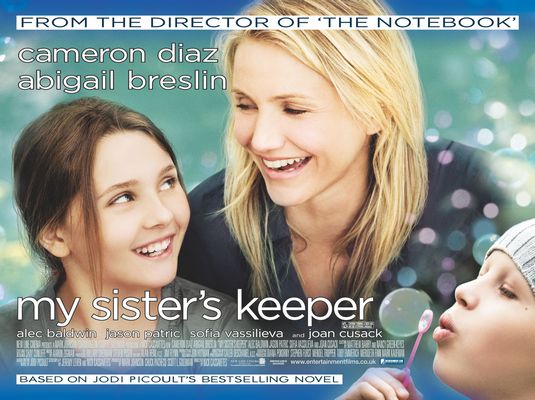
Example One - GOOD Idea: My Sister's Keeper (Warning! Spoiler Alert!)
For any who didn't see the film, My Sister’s Keeper was about a girl named Anna Fitzgerald whose sister, Kate suffered from acute promyelocytic leukemia and basically, her family had her designed and born as a donor child. Taking parts from her since birth. Actually, in the story, their doctor himself suggested that they designed another perfectly matched child. The only setback was that because Kate was so dependent on Anna, Anna was unable to live a life of her own and got tired of always being experimented on and taken from. She had to endure a lot for her sister’s health which ultimately didn’t help as much as they had hoped.
Through the technology of designer babies, they were able to create a perfectly matched baby who did not carry leukemia as well. As you can tell, the Fitzgerald family’s intentions were good and purely for the benefit of their daughter’s health.
Example Two - BAD Idea: Story Time!
A person, let’s call him Guy-X, with a physical mutation like extra limb or lack of one may become a scientist to find a solution for this genetic deformity. In this case, let’s say that Guy-X has an extra limb and oddly shaped cranium.
Ok, sensible intentions there. His cause and research will give hope to those who are like him in the future.
Guy-X then goes to school and achieves a master’s degree in Genetics which was quite difficult because of prejudice based on his appearance. In fact, Guy-X’s life was hard overall. Let’s also say he starts teaching at a university, he is now a professor as well telling his story and inspiring others.
I think we all know where I’m going with this.
Next, Professor X finds a solution to avoiding mutations before birth using gene therapy! (Gene replacement to be exact) and he finally found his purpose in life but instead, by some crazy phenomenon he becomes evil and his plans totally change. He will now use his discoveries and experiments to create a mob, no, ARMY of mutants! *evil laughter*
He does this by extracting DNA from himself as well as other mutated animals and people that he has experimented on and acquires basically grows test tube babies that he adds the deformed genes to.
Apparently, throughout the years of experimenting and research, Prof. X reckoned that he would just create and gather an army of mutants to get revenge on all those who ever mocked him in his life/ He believes that mutants are the future. Yeah, he’s that sick.
Now, I was about to incorporate a human transforming serum into the story but I think that’s a little too far fetched as far as my story should go. I’m trying to keep it real. (AHAHAHAyeahright)
Then, Prof. X gathers the massive army of thousands and starts a world war of the normal peoples.
This is where I would have put the magical mutant serum to come in use. Normals turned into mutants one by one, almost instantly thus leading to an apocalypse and destroying human kind as they know it. But again, this is not some zombie apocalypse bootleg story. No. It’s an X-Men mutant world domination bootleg one.
Evidentially, without that magical unrealistic serum the army cannot grow. And without changing humans into mutants at a rapid rate and changing sides, the mutants will be defeated. Despite the weapons and artillery that they have, the mutants are no match for the entire world. Prof. X was not smart enough to think this through because his mind was blocked by revenge. Besides, he didn’t even have a PHD.So his plan would have failed.
So what happened?
Realistically, Prof. X just created a bootleg X-Men army because they’re overall, the deviations were technically just physical mutants and don’t actually have any special powers per se.
(Yes, I did actually make this story up... which would explain... a lot.)
REAL "Mutations"?! Could they be removed through gene therapy? (WARNING! THIS IS FREAKY!)
Lakshmi Tatama, a little girl from India was born in 2005 with four arms and four legs.
She was actually one of a pair of ischiopagus conjoined twins where one twin was headless due to its head atrophying and chest under developing in the womb. Which made one child look like it had four arms and four legs. Lakshmi was around two years old when she received surgery to remove that four extra limbs and is still alive today.
This is Abigail and Brittany Hansel. Born 1990 in Minnesota, they are highly symmetric dicephalic parapagus conjoined twins.
They have twospines and separate half-sacrums. Eachtwin controls and senses her corresponding arm and leg and a third central arm was amputated in infancy.
Now, I wonder: Are these kinds of deviations hereditary? Or did they just occur? Were they the 1 in a million? Could it have been prevented through gene therapy? I think that these cases of disorders are of course, very unfortunate because they hold these people back from living out life to the fullest as a normal individual. It prevents them from being treated the same way as everyone else and I'm assuming that after a while of being treated differently, you'd get irritated by it. If gene therapy could have prevented this then it would have come in handy and should have been used.
So is it Moral?
I, myself do not know if God would be pleased or displeased about gene therapy and designer babies but I think that the biggest deciding factor in all of this would be the intentions. I believe that whether is it moral or not is purely based on the reasons why this child is being designed a certain way as opposed to allowing God to “design” that person Himself. So really, what are its intended future purposes?
Like stated in my lists of Pros and Cons there are a lot of possibilities with gene therapy. If parents are certain that their child will most likely carry a disease or because of heredity then they will most likely be all for gene therapy then I say, why not? As parents they are only looking out for their child so that they may be able to live a full and happy life.
Take the mother in My Sister’s Keeper, she did what she needed to to get her daughter the kind of resources and donor that she needed. She loved her daughter enough to go through the whole process to sustain her.
Now, another kind of love. The kind of love that makes parents want their child to be physically perfect. Their intentions for the child’s benefit may be right but in the end, it’s all just for them to look better and feel better about themselves.Ok, so they design movie star gorgeous children. Who does that benefit? As far as the rest of humanity knows, it doesn’t. It only makes them feel elite and “perfect”. I believe that these motives are selfish and are done for self profit. I don’t think Jesus would like that too much.
Prof. X on the other hand had good intentions at first but eventually as all mad scientists do, find a different purpose for designing technology and manipulate it for their own causes. In his case, world domination and revenge which obviously, are not legitimate motives for gene therapy use. “Playing God” is probably the worst game that you can play. Ever. If you were meant to play God then you would be God but since you’re not. You’re not. So you shouldn’t try to abuse the power that has already been allowed to you.
In the end, I think that along with everything else in life, there must be purpose for each of our actions. Whether someone decides to design a baby or not has purpose and I believe that that is truly what makes it moral or immoral. I don't know if Jesus actually does like us designing our own offspring but when I ask myself, What would Jesus do? Well, just look around at the people you know. I'm assuming that most of them were not genetically designed in any specific way other than the way that God made them and basically, that's just the way that Jesus did it.
I don't truly blog unless it's for school purposes as you can probably tell from my current blogs. My life's not all that interesting, especially since I'll be swimmi- no, drowning in units very soon. This minuses my social life, time in band, procrastinating time and overall happiness, all of which I greatly enjoy. So, I sound like a huge complainer right now, but I'm just being real. On the bright side, I love music and Jesus! I can’t survive without both. I love to laugh at funny things and am surprisingly easily amused. I’m currently working on a joke for every science and would like to hear yours... they don’t need to be science related though. Obviously, from my illuminating nerdyness you can probably tell that one of my blogs is for my BioBlog for Biology grade 11. I’m happy to say that it’s my favourite science course and I hope that you enjoy it as much as I do, if not more. (: